
One thing that I come across a lot is people who want to buy an action camera to use as a dashcam. And while on the outset this may seem like a good idea, it’s actually…. not. In this article we’re going to look at the exact reasons you should be using a dashcam in your vehicle instead of an action camera.
When you think about the specs of a modern action camera, you’ll realize that most action cameras can film in 5.3K with ultra-high frame rates of 120fps or 240fps or even (in the case of the GoPro Hero 13) 400fps… in burst mode! Combine that with HDR video, award winning image stabilization, the ability to add ND filters… an action camera is going to look far better than some $60 dashcam right? Well, no, in fact there are a LOT of disadvantages to using an action camera instead of a dashcam and let’s start with the features mentioned above.
Does resolution matter?
You may think so, after all the higher the resolution the more detail you’re going to see in your images and that really matters if you ever have to go to court, right?
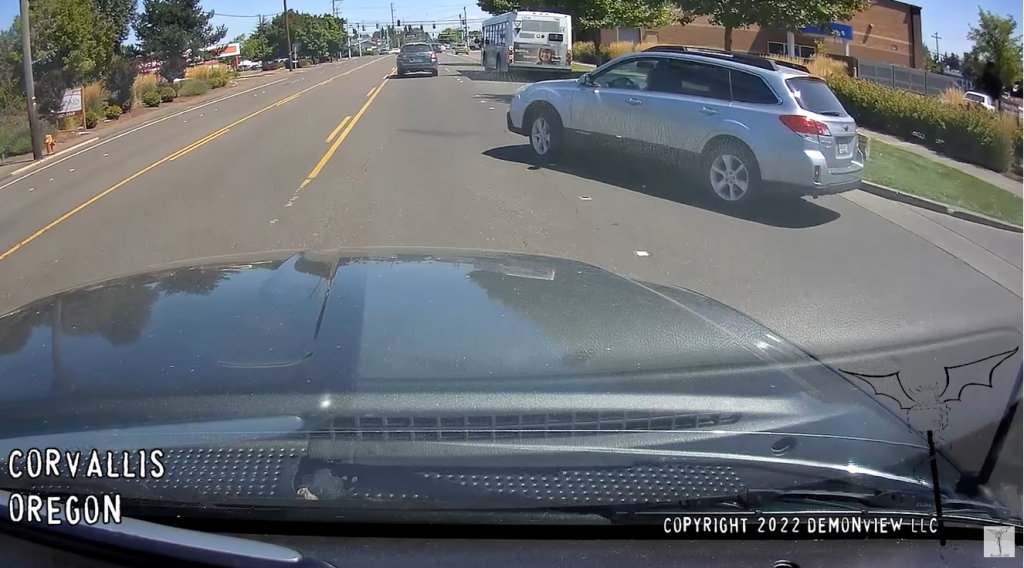
No! If a car pulls out in front of you without warning, it doesn’t matter if you can count the nose hairs on the driver, what matters is you have the footage of them pulling out in front of you without warning. For that, you don’t need to have ultra high 8K images captured at 8000mbps at 5000fps with a liquid nitrogen cooled camera. The only thing that matters is that you show a clear image of what happened. The judge isn’t going to say “It’s obvious this isn’t your fault AND I’m going to give you extra credit for having such cinematic looking video!”.
Do frame rates matter?
Yes and no. Obviously you don’t want to be recording at 15FPS as that would leave gaps in your footage, thankfully just about all dashcams record at 30FPS and that’s good enough. You’re not going to get any advantage (in a dashcam situation) recording at 120FPS or 240FPS. You don’t need to turn a 10 second clip of someone pulling out in front of you into a 2-minute slow motion clip of them pulling out in front of you, in fact, that could be worse for you if you did. After all, with a 30FPS video 10 second video, you’re showing that you had little or no time to react given an emergency situation. But slow that video down into a 2-minute slow motion clip, the judge may think you had plenty of time to react and you lose the case! The other issue is that when you increase frame rates, you decrease low light performance. It may seem like a great idea to record at 120FPS the whole time, but come low light or nighttime, your footage may be so dark, you can’t make out any details. Higher frame rates require increased lighting.
Overheating.
Action camera’s are high performance, small form factor cameras. They can record at extremely high resolution and frame rates with a very high bit rate. In short, they can run hot, extremely hot. This is why they are best used for action sports where there’s a lot of active air cooling (wind surfing, sky diving, motor racing). If you mount an action camera in your car window, not only is there zero active air cooling, on a sunny day, the sun alone can add another 50 degrees to the temperature of the camera. When an action camera gets too hot, it will shut down to avoid damage. On the other hand, a dash camera usually only records 4K max with a 30FPS frame rate and a much lower bit rate (it doesn’t need higher bit rates) and therefore runs much cooler. The fact that dashcams are also not waterproof allows for a much higher degree of cooling due to the presence of venting. Also, they run from external power which makes them run much cooler.
Low Light.
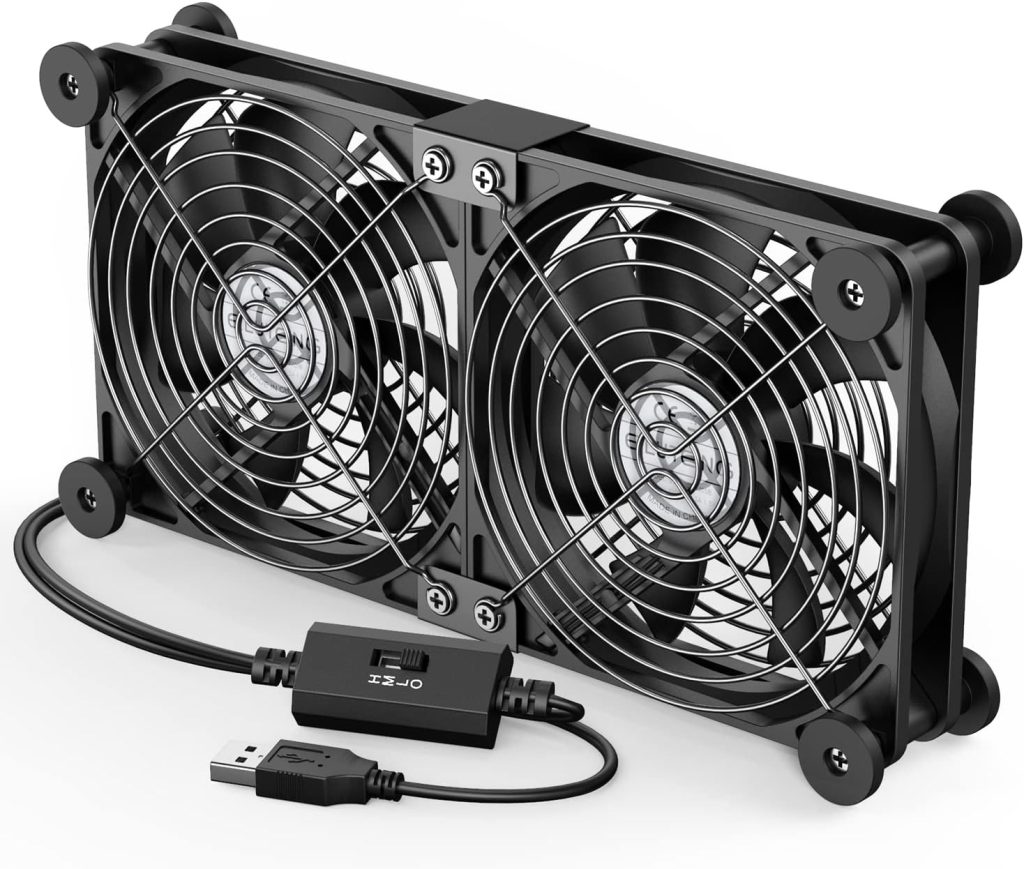
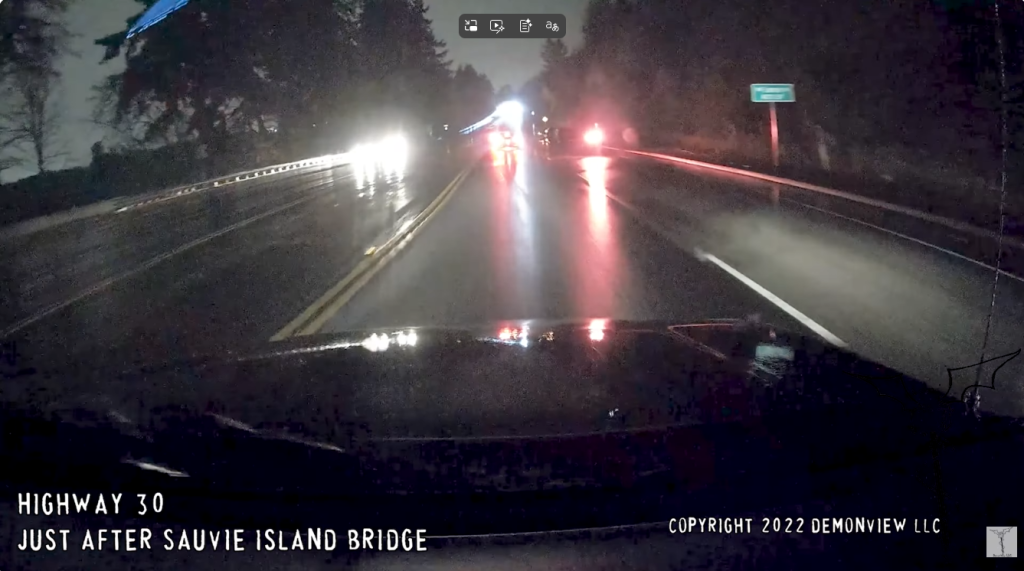
Most action cameras are designed for capturing action in broad daylight. The fact that they are small form factor means they usually have smaller image sensors which means they don’t perform well in low light. The sensors may not even be designed for low light performance. Even a newer camera with larger sensor can still suffer from excessive artificial sharpening and motion blur. Dashcams on the other hand tend to use sensors specifically designed to work well in both low light and broad day light. So, if you use an action camera instead of a dashcam at night, you run the risk of not capturing clear footage.
Features:
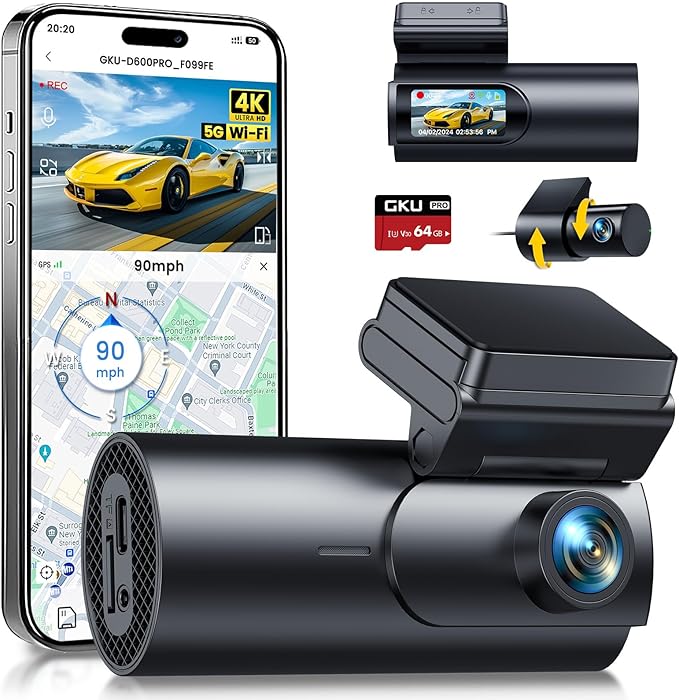
Dashcams usually have a specific set of features to help with recordings should an accident occur. These features usually include GPS to record your speed and location. They also include G-force sensors to highlight or preserve footage in the event of an impact. Some even feature motion detect for when your car is parked and someone may approach your vehicle. Time, date, location, speed are usually available directly on the footage captured. A simple app can sometimes be used to get more in depth detail (such as a google map overlay for car speed and position).
Most action camera’s have “some” of these features, but not all of these features. Some action cameras may require you to install special firmware and program them to use these features. Others may require you to purchase a separate standalone GPS remote in order to record GPS data (which is an extra cost). So purchasing a dashcam with all of these features already enabled is obviously an easier and quicker thing to do.
Cost.
This is perhaps the biggest issue with using an action camera instead of a dashcam. Dashcam prices are dropping and specs are always improving. A 4K dashcam (front and 1080P rear) would have set you back nearly $300 about 2 years ago. Now you can get a 4K front and 1080P rear dashcam for about $65. This has features such as GPS, G-force, simple one button operation, 5GHZ wireless transfer (which is a LOT faster than using 2.4GHZ), live preview to a smart device. A decent action camera can cost anywhere between $200 to $400. Remember, action cameras may require additional hardware or software to provide the same features as a Dashcam.
Final thoughts:
So would I use an action camera as a dashcam? No, absolutely not. It just doesn’t make any sense. You’re looking at a much higher cost, less features, increased risks of losing footage if your camera shuts down due to overheating, poor image quality in low light and it’s also going to take up more real estate on the front window. You’d also have to double that cost if you want a front and rear camera.
A dashcam however is going to be much smaller, have all the features I need in the event of an accident, the image quality is going to be better for what’s needed, the reliability is going to be better, and the cost is considerably lower. It’s the reason why I have dashcams in all my vehicles and I have a spare one that I bring with me if I’m going on vacation and need to rent out a car.
So at the end of the day, if I want to have peace of mind and protection while I drive, I’m going to use a dashcam. On the other hand, if I want stunning cinematic footage that requires high resolution, high bit rates and specific settings based on what I’m recording, I’m mounting a GoPro Hero 13 equipped with a cinematic anamorphic widescreen lens to the outside of my vehicle because folks, the best thing you can ever do, is use the right tool, for the right job!
Please note that the above article is based upon personal opinion and experience. It also may contain links to external sites. If you purchase goods from said external sites I get a small fee for said purchase. This money is used to fund and support Demonview.com and related channels. You should be proud to support such efforts and know that you’re helping me out. You should also feel good about reading all this tiny print as it means you’re someone who is very detail oriented and people probably look at you with the upmost respect. Except Gary, Gary doesn’t respect anyone, then again, maybe Gary has vision problems and he’s just jealous of how great you are. Either way, forget Gary, you’ve better things to be spending your time on. Stupid Gary.
 English